
Katsina | Kabido News
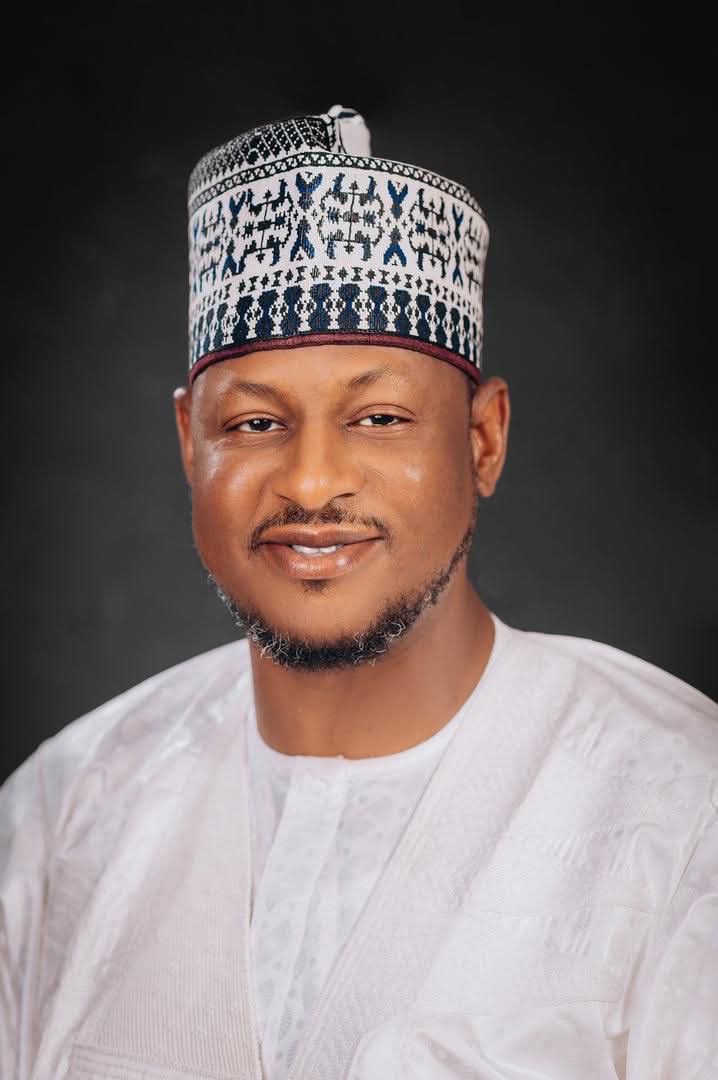
Katsina State Governor, Malam Dikko Umaru Radda, has reiterated his administration’s commitment to promoting humanitarian development and supporting vulnerable populations across the state, describing collaboration with development partners as critical to sustainable recovery.
The Governor spoke at a high-level International Rescue Committee (IRC) Town Hall Meeting, attended by IRC regional and national leadership, development partners, traditional rulers, community leaders, non-governmental organisations, and heads of state agencies.
Governor Radda commended the IRC for prioritising the North-West region, noting that internally displaced persons and conflict-affected communities in Katsina require sustained and targeted support.
He said the state government appreciates IRC’s complementary interventions in nutrition, healthcare, education, protection, economic recovery, and women’s empowerment, stressing that data-driven targeting remains key to reaching the most vulnerable.
The Governor disclosed that his administration is strengthening primary healthcare delivery across the state, with plans to ensure that each Senatorial District hosts fully equipped health centres offering round-the-clock services, ambulances, staff accommodation, and essential medical equipment, aimed at reducing maternal and child mortality.
He further highlighted ongoing interventions in water supply, sanitation, and empowerment programmes designed to benefit both rural and urban communities. According to him, more than 36,000 women have already benefited from targeted skills training and livelihood support initiatives.
Governor Radda also underscored the importance of youth and adolescent-focused programmes, describing women and young people as critical drivers of economic growth, social stability, and improved living standards.
On addressing malnutrition, the Governor said the state has established nutrition committees and stabilisation centres, expanded outpatient therapeutic programmes, and strengthened partnerships with organisations such as the IRC to tackle both immediate needs and underlying causes.
Earlier, IRC Regional Vice President, Mr. Modou Diaw, said the organisation expanded its operations to North-West Nigeria three years ago in response to high humanitarian needs, large displaced populations, and prevailing security challenges. He praised the Katsina State Government for providing an enabling environment that has enhanced IRC’s effectiveness.
Mr. Diaw noted that IRC’s interventions focus on hard-to-reach communities through data-driven planning, committed field personnel, and strong collaboration with government institutions and the United Nations.
The Commissioner for Women Affairs, Hon. Aisha Aminu Malumfashi, also commended Governor Radda’s inclusive leadership, highlighting the administration’s strong support for women-focused policies and humanitarian initiatives. She reaffirmed her ministry’s commitment to working with partners to advance women’s empowerment, girls’ protection, and livelihood support.
Similarly, IRC Country Director, Mr. Babatunde Oge, praised the Governor for consistent government backing and leadership, describing Katsina State as a conducive environment for effective humanitarian action. He reaffirmed the organisation’s commitment to strengthening partnerships with the state.
The IRC Field Coordinator, Mr. Elijah Olusegun Olagoke, said the Town Hall provided an opportunity to review progress in health, nutrition, education, protection, and economic recovery, while aligning future interventions with state priorities.
During the session, Mrs. Esther Agoriat outlined IRC’s key programmes, including nutrition support for malnourished children, healthcare services, education for out-of-school and displaced children, child protection initiatives, and women’s empowerment. She disclosed that 25 per cent of IRC funding is allocated to national partners to build local capacity and ensure sustainability.
Community members also shared personal testimonies on the impact of IRC interventions. Murtala Dandagoro said access to clean water improved significantly following the installation of boreholes in his community, while a resident of Ajiwa living with special needs narrated how receiving mobility aids restored his independence. Aisha Sanisu from Tudun Yan Lahidda recounted how business support from IRC helped her rebuild her livelihood after losing her husband to banditry.
The meeting was attended by the Chief of Staff to the Governor, Hon. Abdulkadir Mamman Nasir, representatives of the Katsina and Daura Emirates, and other senior government officials