

By Adakye Ishaku Williams
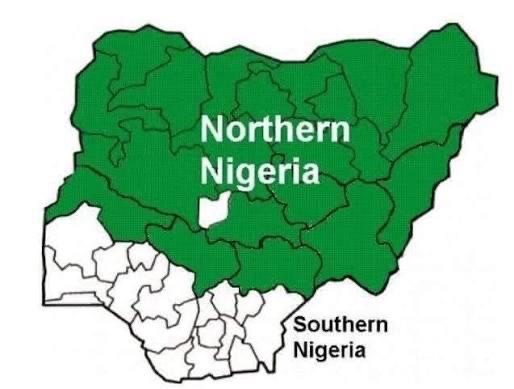
Northern Nigeria has long been a land of rich culture, hardworking people, and vast opportunities. But today, it stands as a region gripped by fear and chaos. From the dusty plains of Borno to the farmlands of Zamfara, insecurity has become a daily nightmare. Kidnappings, bandit attacks, and terrorist bombings have claimed thousands of lives, displaced families, and crippled economies. We hear about Boko Haram, ISWAP, and armed bandits as the main culprits. But let’s be honest: the real enemy isn’t just hiding in the bushes or across borders. Often, it’s right inside the command structures meant to protect us; the military, the police, and even political offices.
For years, we’ve seen a pattern that points to betrayal from within. Soldiers on the front lines complain of inadequate equipment, delayed salaries, and orders that appear to be designed to fail. How else do you explain ambushes where insurgents know exactly where troops will be? In one chilling account, a soldier revealed how generals in the Nigerian Army are using the chaos to line their pockets, buying hotels and houses while their men die in the field. It’s no secret that corruption runs deep, intended for weapons, and is diverted, vanishing into private accounts, leaving our forces vulnerable. And when brave officers try to speak out, they’re silenced, transferred, or worse.
Take the issue of sabotage. Reports from within the ranks suggest that some high-ranking officials are not just incompetent they’re complicit. One source points to a Northern governor allegedly commanding Boko Haram operations, blurring the lines between bandits and insurgents.ed6c1a Even the Minister of Defence has been accused of fueling banditry and sponsoring groups like Boko Haram.ae6416 These aren’t wild rumours; they’re echoes from soldiers who’ve seen ambushes set up by leaked intelligence. In 2018 alone, nearly a hundred soldiers died in attacks that smelled of inside jobs, with barracks overrun twice.c5366b And let’s not forget the mass resignations of over 500 personnel quitting because they know the generals from the North are compromised, much like how the Afghan army fell to the Taliban.
This internal rot isn’t new. It goes back decades. Northern leaders have played a dangerous game, romanticising bandits as “freedom fighters” or “misguided youths” worthy of amnesty and negotiations. They’ve ignored illegal mining that funds these groups, turned a blind eye to poverty and illiteracy that breed recruits, and even shielded terror financiers. Sharia laws in some states have created parallel systems that undermine national unity and inspire radicalism. Now, these same elites call for state police and billion-naira security funds, but without admitting their role in creating the mess, it’s just more hypocrisy.
The impact is devastating. Villages pay millions in “taxes” to bandits just to farm their land. Wedding parties get ambushed, generals like Idris Alkali are murdered and dumped in wells, and even army barracks aren’t safe cultists sneak in to kill rivals, aided by insiders in uniform. The North’s economy is crumbling, with markets empty and schools closed. And while the military has ramped up offensives under new leadership, forcing groups like Boko Haram to flee hideouts, it’s clear that without rooting out the traitors, these gains won’t last.
So, what do we do? First, we must demand transparency. Investigate and prosecute those in command who sabotage efforts whether through corruption, leaks, or direct support to terrorists. Empower communities with education and jobs to dry up the pool of recruits. And yes, reform the military: better funding, no political interference, and harsh penalties for betrayal. Northern leaders need to stop protecting criminals and start uniting against them, even if it means calling out their own.
In the end, insecurity in Northern Nigeria isn’t just about guns and bombs it’s about trust broken from the inside. Until we face the enemy within the command, peace will remain a distant dream. As Nigerians, we owe it to our children to fix this now.