
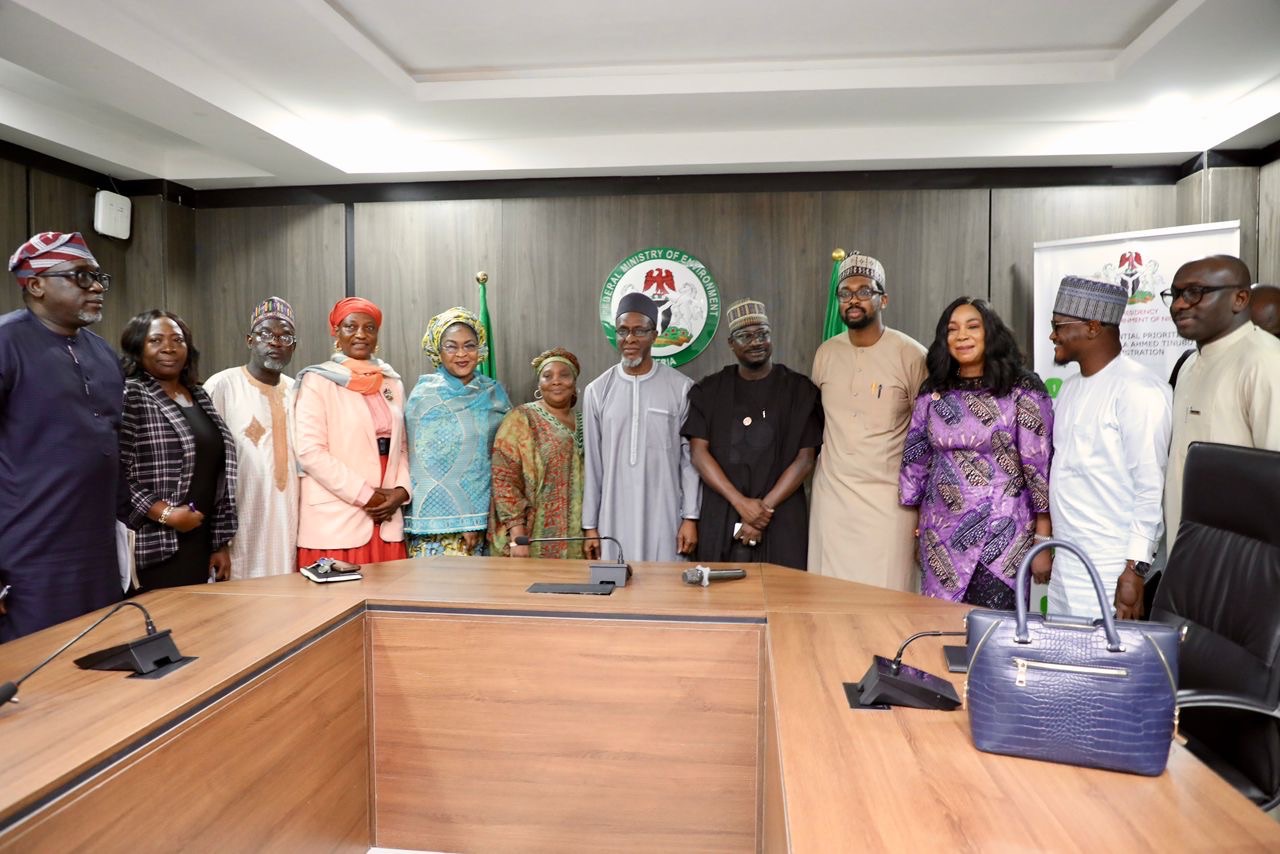
Minister of Environment Balarabe Abbas Lawal hosted Abbas D. Abubakar, Director‑General of the Rural Electrification Agency (REA), at the Ministry headquarters in Abuja to strengthen collaboration on expanding sustainable electricity access across Nigeria. In line with His Excellency President Bola Ahmed Tinubu’s Renewed Hope Agenda for national development, the meeting focused on aligning efforts to address deficits in power generation and distribution—especially in rural areas—and on accelerating environmentally responsible energy projects.
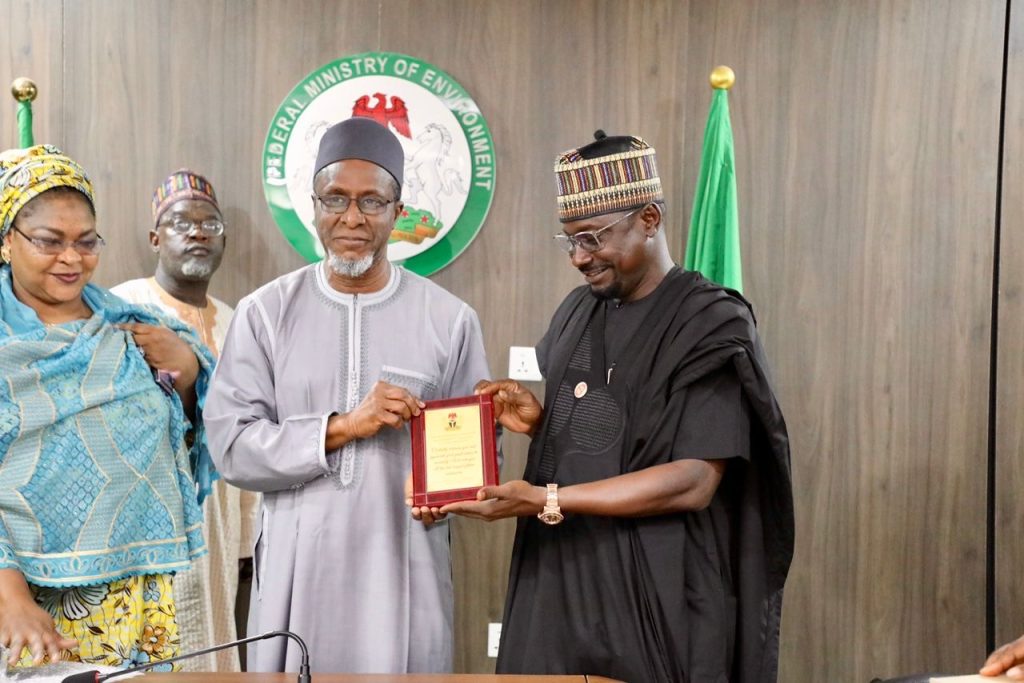
Minister Lawal emphasized that reliable power is a catalyst for socio‑economic transformation and reiterated the Ministry’s support for REA initiatives. He pledged to prioritize and expedite Environmental and Social Impact Assessments (ESIAs) for REA projects and to support the Green Bond Project as a financing mechanism for renewable and environmentally friendly investments. The Ministry also committed to working with REA on waste management, implementation of the National Circular Economy Roadmap, and the National Policy on Kerosene‑Lantern Phase‑Out.
REA Director‑General Abbas D. Abubakar welcomed the support and outlined the agency’s ongoing programs—such as the Rural Electrification Fund, solar home systems, solar mini‑grids, the Energizing Education Programme and Solar Power Naija—that expand access to electricity while reducing carbon emissions. He noted that these efforts support Nigeria’s Sustainable Development Goals (SDGs) and Nationally Determined Contributions (NDCs) under the Paris Agreement.
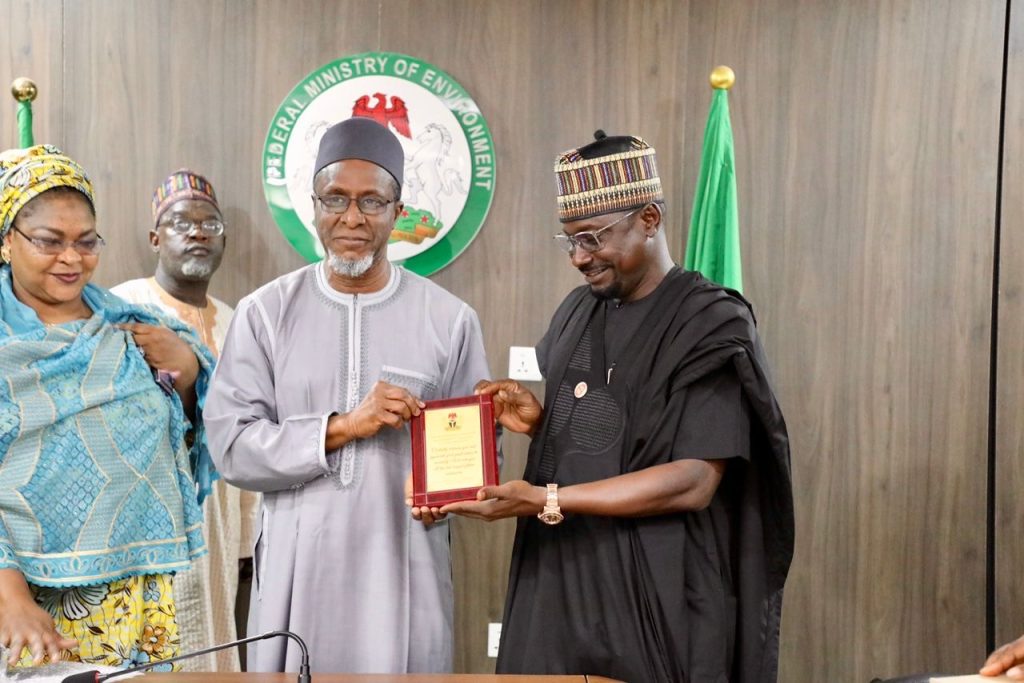
Both parties acknowledged challenges, including bureaucratic delays and the need for capacity building to ensure long‑term project sustainability. To address these issues they agreed to establish a joint task force to monitor implementation, facilitate regular consultations, resolve bottlenecks, and ensure REA projects proceed with minimal environmental impact and maximum community benefit.
The strengthened partnership is expected to increase clean energy access, stimulate job creation in rural communities, attract greater private and public investment through mechanisms like the Green Bond Project, and contribute to a lower national carbon footprint as Nigeria transitions to a greener economy. These outcomes will also advance the Renewed Hope Agenda by promoting inclusive economic growth, improving livelihoods in underserved areas, and accelerating the country’s shift to sustainable energy.