
PUBLIC PERSPECTIVE
By Victor Mathew Bobai, SSA Public Affairs to the Governor
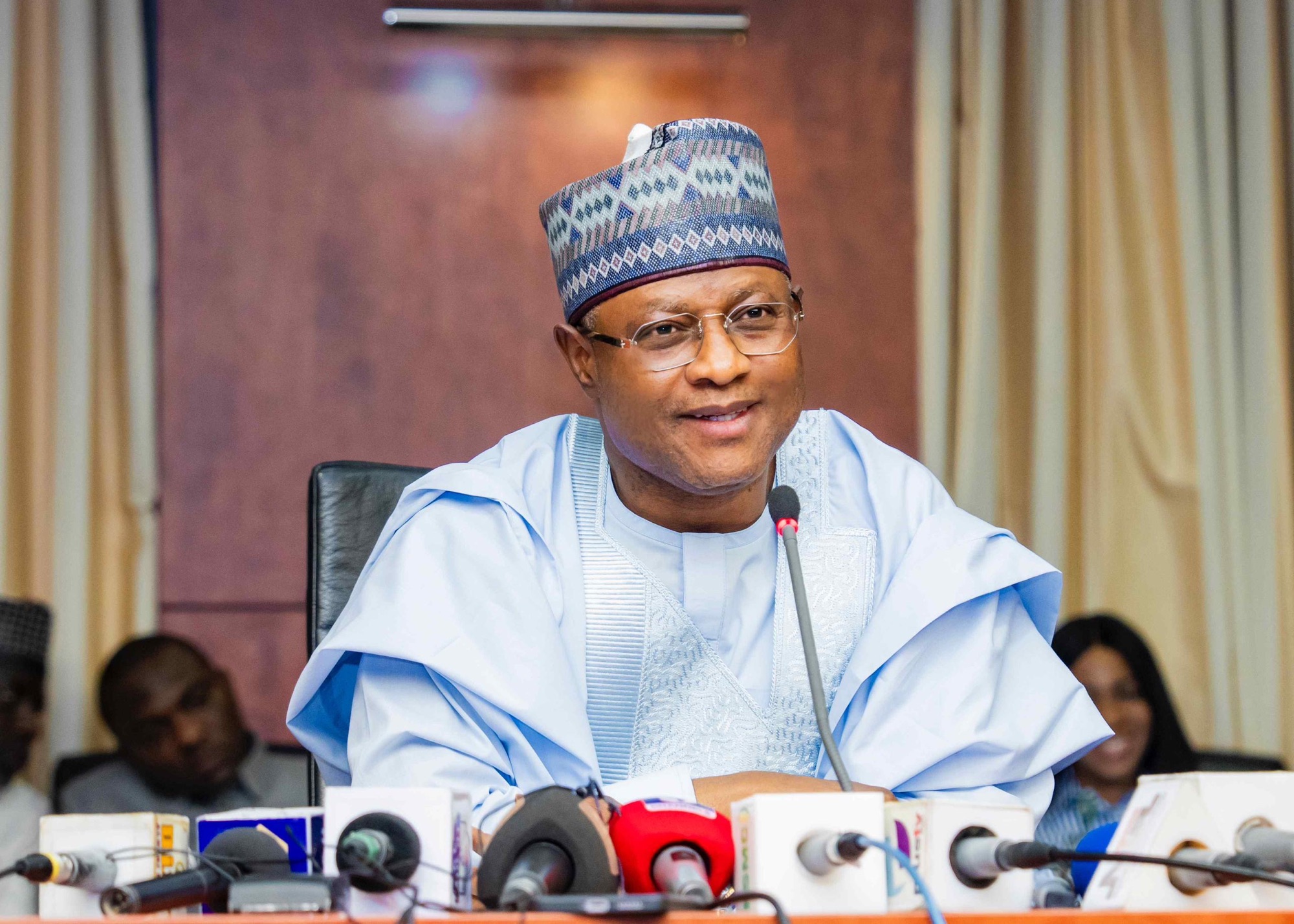
In an unprecedented move, Governor Uba Sani has placed direct grassroots impact at the heart of Kaduna State’s 2026 development direction. With the allocation of ₦100 million to each of the state’s 255 political wards, his administration has launched the most ambitious bottom-up community investment strategy in decades.
This initiative signals a complete departure from elite-driven development models. It represents a citizens’ revolution in planning, built on the principle that communities themselves must define and direct the projects that affect their lives.
A Budget Born From Listening to the People
The policy emerged from extensive citizen engagement during last year’s town hall meetings. Residents across the three senatorial zones highlighted painful realities:
12 out of 23 Local Government Areas had not benefited from even 1km of road in 12 years.
Water access, health facilities, and feeder roads remained severely inadequate.
Farmers lacked market access due to poor rural infrastructure.
Young people were eager for vocational and digital skills pathways.
These revelations made it clear that Kaduna needed to abandon top-down budgeting and embrace a ward-by-ward development model anchored in real community needs.
Governor Uba Sani’s response was decisive and people-oriented.
Development Directed by Communities, Not Political Elites
The Governor made it clear that the ₦100 million per ward will be controlled by the people themselves.
“This money belongs to the communities. They, not government, will decide how every kobo is deployed.”
Each ward will undertake a structured process to:
Identify its most pressing needs
Rank projects in order of impact
Implement community-approved solutions
Priority areas include:
Feeder roads and rural transport links
Water supply schemes
Health facilities and PHC upgrades
Community security infrastructure
Economic empowerment programmes
Skills acquisition and digital literacy initiatives
This shift ensures that no project is imposed from “the high table.” The people now determine what gets done, where, and how.
A Track Record of Responsive Governance
Even before unveiling the ₦100m-per-ward model, the administration demonstrated its people-first approach. When citizens demanded greater investment in water resources, the government responded:
Raising the water sector budget from ₦10 million to ₦100 million, strictly based on community input.
This responsiveness formed the basis for the larger transformation now underway.
Massive On-Going Road Infrastructure Revolution
After citizens exposed the scale of rural neglect, the state launched a sweeping road development programme now active across all LGAs. Many roads are between 90% and 95% completion, including:
24km inter-community road projects
A 35km road in Sanga
22.5km in Soba
24.7km in Zangon Kataf
14.2km in Igabi
And numerous others
These will integrate with ward development plans to improve access to markets, schools, health facilities, and security nodes.
Health Sector Driven by Community Realities
Kaduna is currently the only state in Nigeria to upgrade all 255 Primary Healthcare Centres from Level 1 to Level 2. This transformation was directly informed by community submissions during the 2024 consultations. It has earned Kaduna recognition as the best PHC system in the Northwest.
Additionally:
16 general hospitals are being renovated and equipped
9 have already been completed and commissioned
All improvements are tied to ward-level needs assessments.
Agricultural Development With Direct Benefits to Farmers
To support farming-heavy wards, the ₦100m ward allocation will target:
Rural access roads
Small-scale irrigation
Food storage facilities
Community mechanisation clusters
This aligns with state-level efforts such as:
Nearly 900 trucks of fertiliser distributed to farmers
A recent $250 million agro-industrial investment deal supported by the Federal Government
The vision is clear: boost rural productivity, create market access, and raise household incomes.
Youth, Skills and Digital Empowerment
With over 90,000 young people enrolled in the Federal Government’s TX digital and vocational training programme, communities can now use their ward funds to sponsor:
Specific vocational skill tracks
Digital literacy hubs
Creative and entrepreneurial training
ICT and innovation programmes
This guarantees that youth development is shaped by local economic realities, not generic templates.
Transportation and Economic Mobility
Major transportation investments — including Kaduna’s planned BRT system and the 44km light rail — will support ward economies by:
Improving mobility
Expanding access to markets
Enhancing security coordination
Boosting local trade and enterprise
This is development with far-reaching and lasting results.
Fairness, Justice, and Equity as Guiding Principles
Governor Uba Sani affirmed that the philosophy behind the ₦100 million allocation is simple:
No political discrimination
No religious or ethnic bias
No community left behind
“The 2026 budget is your budget, and the ₦100 million is for you to decide.”
The Governor is building a development model grounded in trust, transparency and inclusive participation.
Stakeholders Endorse the Vision
Civil society groups, religious leaders, traditional leaders, youth representatives, and community-based organisations all commended the Governor for:
His citizen-centered budgeting approach
His commitment to fairness
His significant achievements in strengthening security across Kaduna State
The consensus is clear:
This is the most direct, accountable, and people-driven governance Kaduna has seen in years.